







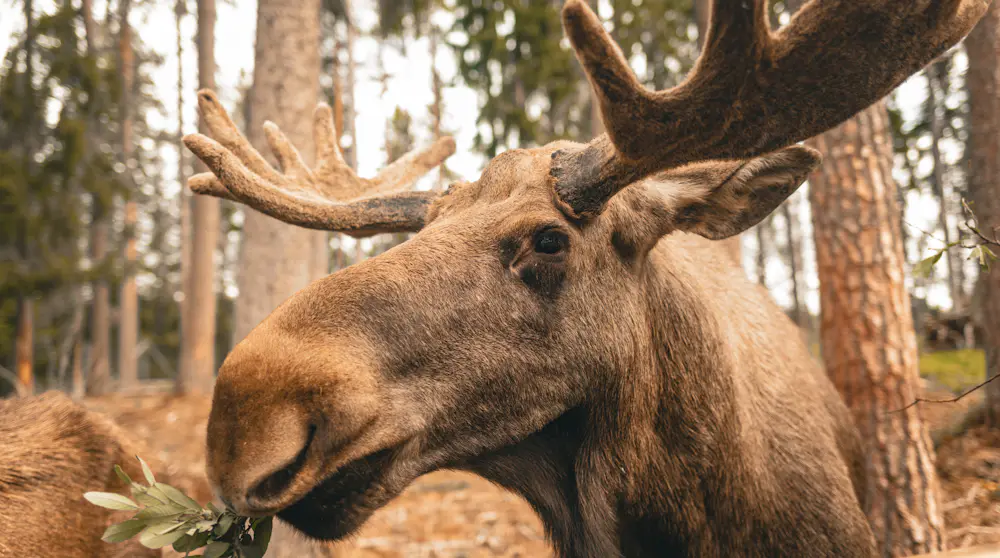
Norwegian animals help ecosystems function by eating plants, hunting other animals, moving nutrients, and providing food for other species. Their roles connect forests, mountains, rivers, and the sea. A large animal may attract the most attention, but small insects and rodents can be just as important to the wider food web.
These relationships are not fixed or perfectly balanced. Weather, food supply, disease, and human activity can change them. Learning what animals do in nature gives a fuller picture than learning their names alone.
What Is an Animal’s Ecological Role?
An ecological role describes how an animal uses its environment and affects other living things. A plant eater transfers energy from vegetation into the animal food web. A predator gains that energy by eating prey. A scavenger uses the remains of dead animals.
One animal can fill more than one role. A fox can hunt living prey and also feed on a carcass. The role can also change with the season and the food available.
For a beginner, three questions are useful: what does this animal eat, what eats it, and what changes because it lives here? Those questions reveal connections that a species list cannot show.
Moose and Deer Influence Vegetation
Moose and other deer consume vegetation and can affect the growth of plants. Browsing pressure is especially relevant where many animals use the same area.
This influence is not automatically good or bad. Its effects depend on local numbers, the plants present, and the wider habitat. A forest used by a few animals may respond differently from a heavily browsed area.
NINA’s cervid research considers deer alongside vegetation damage, traffic collisions, and other land-use conflicts. It shows why animal abundance has to be understood in context.
For a reader walking through woodland, bitten shoots and browsing lines can raise useful questions. They are signs to investigate, not enough evidence on their own to declare that a deer population is too large.
Reindeer Connect Plants with the Mountain Food Web
Reindeer are herbivores, meaning they obtain their food from plants and other plant-like resources such as lichens. Their use of a landscape links feeding areas with movement routes and seasonal conditions.
In Svalbard, a Norwegian Polar Institute ecosystem assessment describes reindeer effects through grazing, fertilisation, and trampling. These are different ways an animal can influence the ground it uses.
It is useful to distinguish these physical effects from a simple population count. Knowing how many animals are present does not reveal where they feed or how unevenly they use the landscape. Local conditions shape the outcome.
Small Rodents Support Larger Animals
Lemmings and voles are easy to overlook, yet they provide food for several predators in mountain environments. They connect the vegetation they consume with animals higher in the food web.
A NINA alpine wildlife monitoring dataset identifies lemmings and voles among prey species in the study regions. The predator community includes species such as Arctic foxes and birds of prey.
This is why a small animal can matter beyond its size. Changes in prey availability can alter the opportunities available to predators. However, the exact response depends on what other food is present and which species share the area.
Predators and Scavengers Have Different Jobs
A predator captures living prey. A scavenger feeds on an animal that is already dead. Some species do both, so these are descriptions of feeding behaviour rather than strict labels for every animal.
The Norwegian Polar Institute’s Arctic fox profile describes an adaptable animal that uses different food sources. That flexibility helps explain why the same species can be linked with different food webs in different places.
Scavenging makes the remaining energy in a carcass available to other animals. Later, smaller organisms continue the process of breaking down material. A dead animal is therefore part of nature’s food supply, even though unusual deaths or animals near public areas may need to be reported.
Why Predator Claims Need Care
It is tempting to say that predators always keep nature in perfect balance. Real ecosystems are more complicated. Hunting, land use, food supply, and weather can all affect prey numbers.
NINA’s large carnivore research combines population monitoring with research on these animals and their interactions. Specific evidence is more useful than a broad claim that every predator has the same effect everywhere.
Seabirds Link Marine and Land Environments
A seabird can feed at sea and return to land to breed. It therefore connects places that look separate on a map.
The Norwegian Polar Institute’s Svalbard overview describes energy transfer from sea to land through nesting seabirds. The point is broader than a single bird colony: food gathered offshore can support activity and nutrient movement on land.
This helps explain why a healthy nesting site may not be enough to protect a seabird population. The condition of its feeding grounds also matters. Looking at only one part of the bird’s life misses the full relationship.
Insects Deserve a Place in the Story
Norwegian wildlife includes insects, not only mammals and birds. Some insects pollinate flowers, while others occupy freshwater and soil food webs. Their small size should not make them an afterthought.
NINA’s biodiversity research includes pollinating insects as well as larger animals. This wider view helps prevent wildlife protection from focusing only on famous species.
When observing nature, try spending a few minutes looking at flowers or a stream edge. You do not need to identify every organism to notice that several forms of life are using the same small space.
Examples of Animal Roles
| Animal or group | Example role | A useful question |
|---|---|---|
| Moose and deer | Consume vegetation | How much browsing occurs here? |
| Reindeer | Graze and affect ground vegetation | Can they reach seasonal feeding areas? |
| Lemmings and voles | Provide prey for other animals | How does their availability change? |
| Arctic foxes | Hunt and scavenge | Which food sources are available locally? |
| Seabirds | Carry marine food into land-based breeding systems | Are feeding and nesting areas both suitable? |
| Pollinating insects | Help pollinate flowers | Are suitable flowering resources present? |
Turning Ecological Knowledge into Better Decisions
These relationships help explain why wildlife management needs more than a list of protected species. A decision affecting water, plants, or movement routes can influence animals indirectly.
Readers interested in that connection can explore Viltnemnda’s introduction to wildlife management. A useful next step is to compare a general explanation with local evidence from the relevant authority or research institution.
When discussing an animal’s role, separate observation from interpretation. “Deer ate these shoots” is a narrower claim than “deer are destroying this forest.” The second statement requires much more evidence. Careful language makes nature writing both clearer and more reliable.
Our guide to Norwegian wildlife habitats explains where these relationships take place. You can also learn how Norway protects wildlife and the places animals need.
Frequently Asked Questions
What does “food web” mean?
A food web shows feeding relationships among living things. It includes many connections because most animals have more than one food source or predator.
Why are small animals important?
Small animals can provide food, pollinate plants, and take part in nutrient cycling. Their importance depends on what they do, not simply on their size.
Are predators always beneficial to every other species?
No. Predators eat other animals, and their wider effects depend on the ecosystem. Claims about benefits or population control need local evidence.
Can one animal be both a predator and a scavenger?
Yes. An animal may catch living prey at one time and eat a carcass at another. Arctic foxes are one example of flexible feeding behaviour.
Why protect habitats instead of individual animals alone?
Animals depend on food, shelter, and other species. Protecting an animal without maintaining those relationships may leave the reasons for its decline unchanged.
Disclaimer
This disclaimer applies to the discussion of Norwegian animals and ecological roles. This article is for general educational purposes. Species identification, distribution, behaviour, and population information can vary by location and change as research develops. It is not a substitute for professional wildlife, veterinary, or field-safety advice. Verify current guidance with relevant conservation authorities and observe wildlife without disturbing or handling it.


One thought on “Norwegian Animals and Their Role in Nature”