






Norway protects its wildlife through a combination of habitat protection, research, species recovery, and public management. These approaches work at different levels. A national park can protect an important landscape, while a recovery programme may help a small animal population. Local decisions influence the roads, buildings, and activities around those places.
Protection is an ongoing task. A country can have protected areas and still face problems such as habitat loss, disturbance, and climate change. Understanding what each conservation tool does makes it easier to judge progress and recognise gaps.
Protecting the Places Animals Need
Wildlife protection begins with living space. Animals need more than a location where they are legally protected from harm. They also need suitable food, shelter, and breeding conditions.
Dovrefjell-Sunndalsfjella National Park provides a practical example of landscape protection in a mountain environment. Its wildlife value includes species that depend on open uplands. Visitor management is part of caring for that setting.
A useful question for any protected area is: what happens beyond the boundary? An animal may leave the protected land to find seasonal food. Development outside the area can therefore affect wildlife living inside it.
Keeping Habitats Connected
Habitat fragmentation happens when a larger living area is divided into smaller pieces. A road, reservoir, or busy development can make movement more difficult. The remaining land may still look natural while becoming less useful to animals.
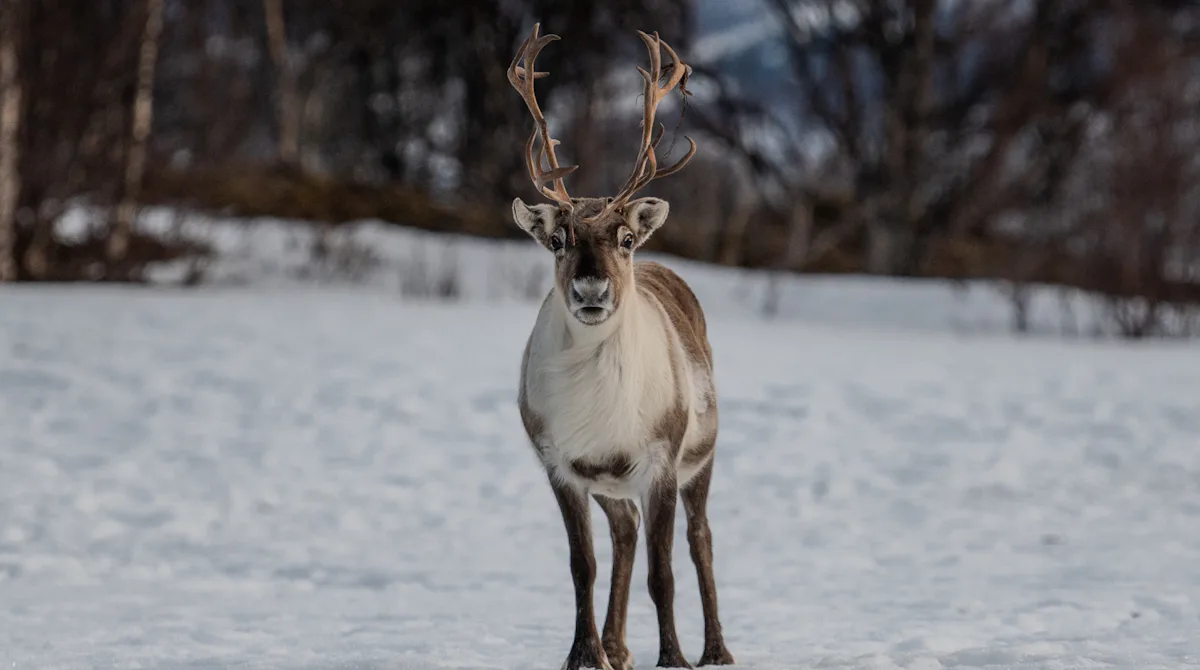
NINA’s reindeer mapping project distinguishes suitable habitat from habitat that animals can actually reach. This is an important difference. A good feeding area has limited value if the route to it has been lost.
Conservation planning can use this information to compare locations for infrastructure, identify movement corridors, and consider restoration. The aim should be to understand the whole landscape before treating each development as an isolated decision.
Helping Vulnerable Species Recover
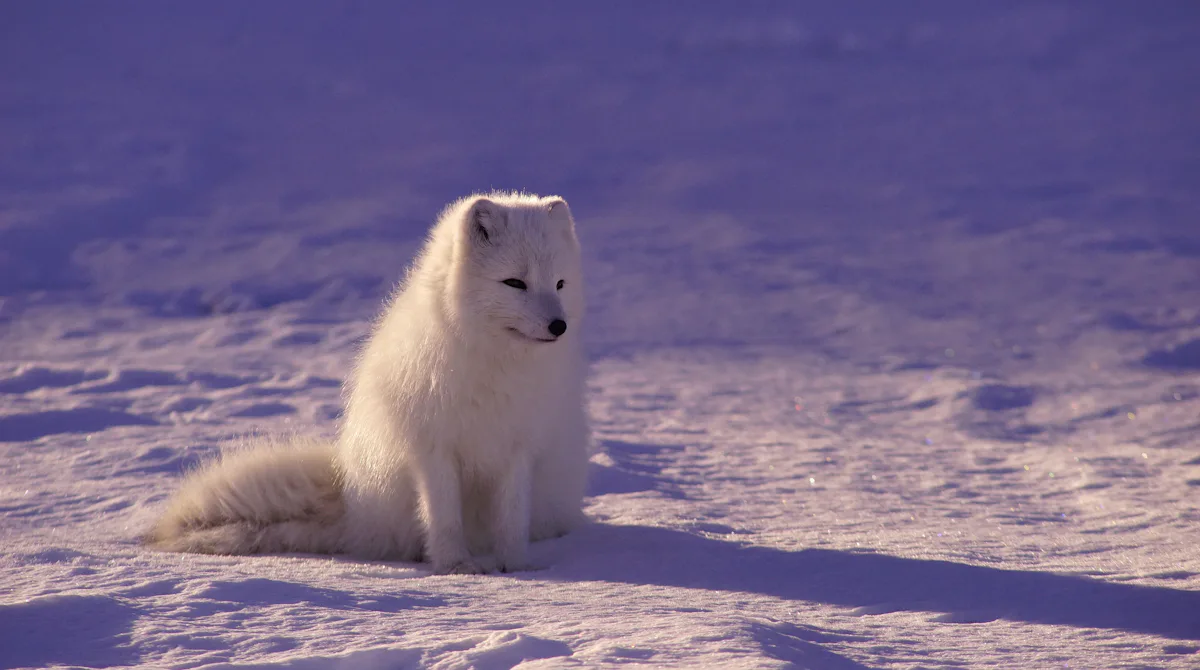
Some populations need direct support as well as habitat protection. Norway’s Arctic fox programme is one example.
The Norwegian Institute for Nature Research’s captive breeding programme is commissioned by the Norwegian Environment Agency. It breeds foxes for release and considers the genetic variation represented in the animals used for breeding.
This kind of work requires planning and follow-up. Releasing an animal is only one stage. Researchers also need to understand whether animals survive, breed, and contribute to a stronger wild population.
Why Genetic Diversity Matters
A population can grow in number while still facing genetic problems. When animals are closely related, a larger headcount alone does not resolve every risk.
NINA’s work on Arctic fox inbreeding highlights the importance of movement and gene flow between small populations. This helps explain why successful conservation is measured in more than the number of animals released.
The public lesson is equally important: professional conservation feeding and breeding are controlled activities. They are not an invitation for visitors to feed wildlife or handle animals themselves.
Using Research to Guide Decisions
Wildlife managers need evidence about what is changing. A few memorable sightings cannot reveal the condition of an entire population.
NINA’s monitoring work includes several animal groups and wider ecosystem change. Long-term records help separate a short-term fluctuation from a continuing problem.
Good monitoring asks a clear question. Are breeding results changing? Are animals using less of their former range? Has a habitat improvement produced the expected benefit? Repeating a suitable method makes the answers more meaningful.
Uncertainty should be reported rather than hidden. A count may miss animals, and an estimate may have a wide range. Explaining those limits makes a conservation claim more trustworthy.
Combining Wildlife Use with Legal Controls
Norway’s wildlife system includes regulated hunting as well as protection. Whether hunting is allowed depends on the species, area, and applicable rules. It is not a general right to take any animal found outdoors.
An important legal update took effect on 1 July 2026: Viltressursloven replaced the Wildlife Act of 1981. The Norwegian Government’s announcement explains that the new framework concerns hunting, trapping, and killing wildlife, within the wider legal framework for nature and animal welfare.
Readers making a real hunting or management decision should check current official rules. Older articles may describe the previous law and should not be treated as current instructions.
What Different Conservation Tools Can Do
| Tool | Main contribution | Important limitation |
|---|---|---|
| Protected areas | Protect valuable places | Animals and pressures cross boundaries |
| Habitat connections | Support movement between places | Routes can be affected by several developments |
| Species recovery | Support vulnerable populations | Continued follow-up may be needed |
| Wildlife monitoring | Detect change and assess results | Findings depend on methods and data quality |
| Legal controls | Set conditions for wildlife use | Rules need implementation and compliance |
| Public education | Improve everyday behaviour | Awareness alone does not repair lost habitat |
Why Local Decisions Matter
National policies become real through decisions in towns, valleys, forests, and mountain areas. A proposed road, walking route, or development may affect where wildlife can move.
People interested in this local connection can read the introductory material on wildlife management at Viltnemnda. For a particular case, the municipality and relevant public authority are the sources to consult.
Local knowledge is useful when it is specific. Residents may notice repeated crossings or a change in seasonal animal use. Reports become more helpful when they include dates, locations, and clear observations rather than assumptions about the cause.
How to Judge a Conservation Success Story
When reading that a project has succeeded, look for the result being measured. More animals seen, more animals breeding, and a larger usable habitat are different outcomes. Each can matter, but they should not be confused.
Ask whether the improvement lasted and whether the original pressure was reduced. Also check the date of the evidence. A strong result from one year does not automatically describe the current situation.
This approach does not dismiss good news. It helps readers understand why a project worked, where it might work again, and which parts still need attention.
To connect these conservation measures with daily life, explore the roles Norwegian animals play in nature and see how local wildlife management works.
Frequently Asked Questions
Does Norway protect wildlife only through national parks?
No. Protection also involves research, recovery programmes, legal controls, and local planning. Many important decisions concern land outside national parks.
Why do Arctic foxes need conservation support?
Small and isolated populations can face several pressures. Norway’s programme addresses recovery through carefully managed breeding, releases, and research, rather than relying on protection alone.
Can hunting be part of wildlife management?
Yes, regulated hunting is part of Norway’s system for some species. Its use must follow current rules and be considered alongside population and habitat information.
How can ordinary people help?
Respect closures, avoid disturbing animals, keep food and rubbish secure, and report observations through appropriate channels. Support conservation claims that explain their evidence clearly.
Does a rising animal count prove complete recovery?
No. Managers may also need to consider breeding success, genetic diversity, habitat quality, and whether the population can survive without continued support.
Disclaimer
This disclaimer applies to the discussion of wildlife protection in Norway. This article provides general information about wildlife conservation and management, not legal advice or an official decision. Laws, responsibilities, access rules, and conservation conditions may change and differ by location. Check current legislation and guidance from the responsible municipality or public authority before acting.
2 thoughts on “How Norway Protects Its Wildlife”