







Wildlife in Norway lives in forests, mountains, wetlands, rivers, coastal waters, and Arctic landscapes. Moose are linked with wooded areas, while wild mountain reindeer depend on open uplands. Seabirds connect land with the sea. In Svalbard, sea ice supports a different wildlife community, including polar bears and ice-dependent seals.
Understanding these habitats makes wildlife easier to appreciate. An animal does not simply need an attractive landscape. It needs food, shelter, breeding space, and safe routes between places. A quiet valley may matter as much as a famous national park because it connects the areas an animal uses throughout the year.
Why Norway Has Different Wildlife Habitats
Norway stretches across a wide range of landscapes. Mountains rise above forested valleys, rivers flow towards the coast, and offshore islands provide places for birds to breed. Conditions can change over a short distance as elevation, shelter, and exposure change.
This means that a single list of Norwegian animals can be misleading. A species recorded in one region may be absent from another. Mainland Norway and Svalbard also need separate treatment. They belong to the same country, but their environments and animal communities are not interchangeable.
For a beginner, the most useful question is therefore not only “Which animals live in Norway?” It is also “Which habitat does each animal need?”
Forest Wildlife: Food, Cover, and Seasonal Movement
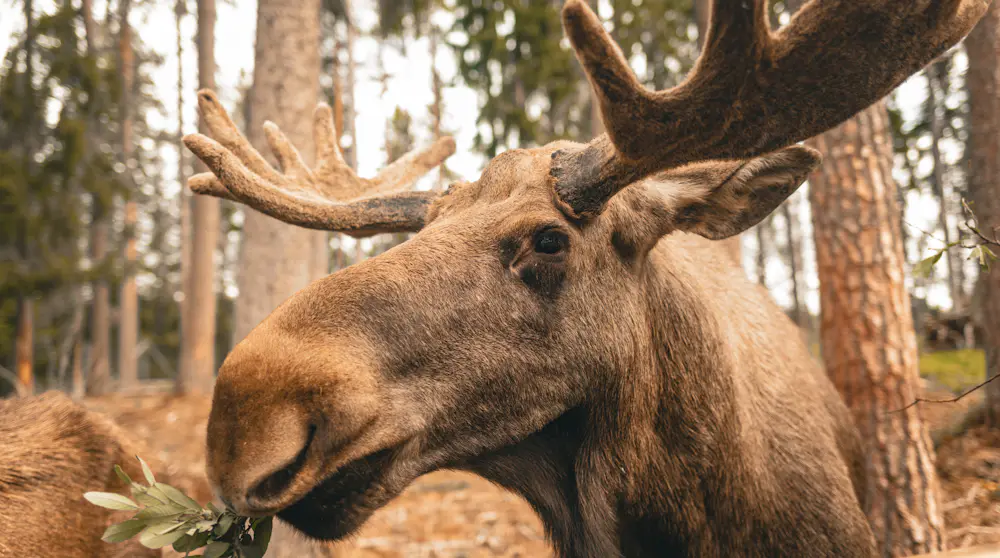
Moose, red deer, and roe deer are part of Norway’s deer family. Their distribution and local numbers vary. Forest edges, young trees, and nearby open ground can provide a mix of feeding and resting places.
Browsing animals eat parts of woody plants, including leaves and shoots. Their feeding can influence how vegetation grows. However, large deer populations can also create pressure on young trees and increase conflict with farming and road traffic. NINA’s research on cervids studies these relationships and the need to manage them with local evidence.
A forest is more than a collection of standing trees. Fallen wood, wet patches, bushes, and older trees create different living spaces. Looking only for a large mammal can cause a visitor to miss the smaller parts of the habitat that support the wider community.
Mountain Wildlife: Life in Open Country
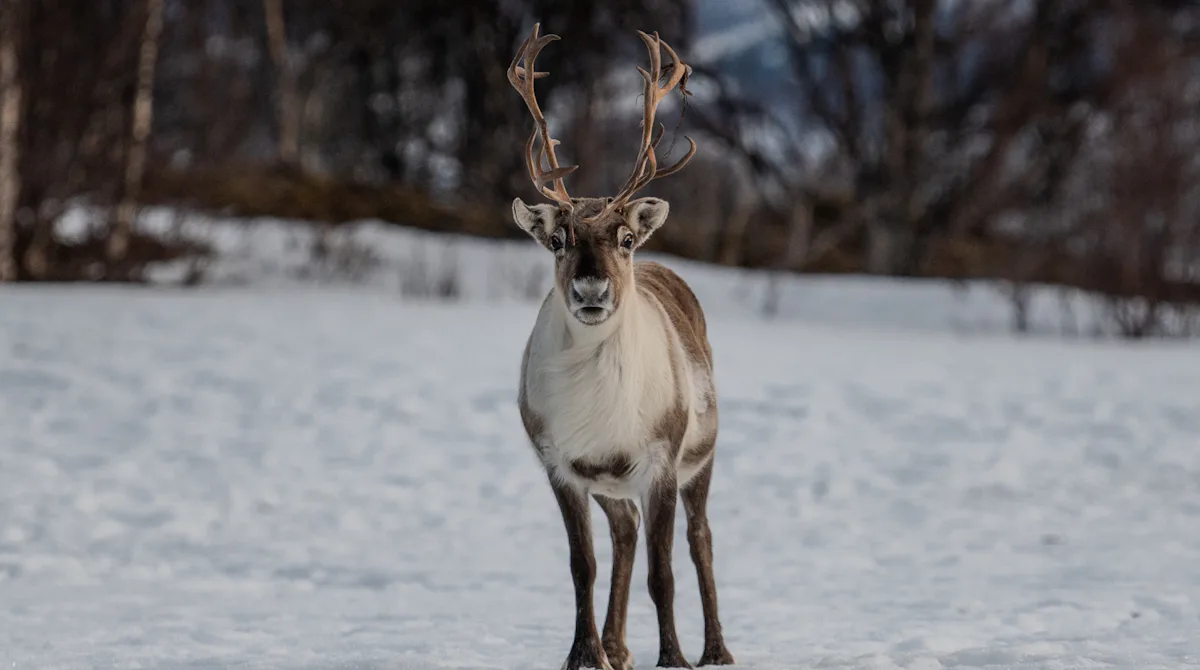
Wild mountain reindeer need room to move between seasonal resources. A mountain area may appear open to a human visitor while roads, cabins, and repeated disturbance make parts of it difficult for reindeer to use.
NINA’s work in Setesdal–Ryfylke identifies habitat fragmentation as a major challenge. The lesson is practical: protecting feeding ground is less effective if animals cannot reach it.
Not every free-roaming reindeer is wild. Norway also has semi-domesticated reindeer connected with reindeer husbandry. Visitors should avoid making assumptions about a herd’s status and should respect herders, animals, and local access advice.
Arctic Foxes and Musk Oxen
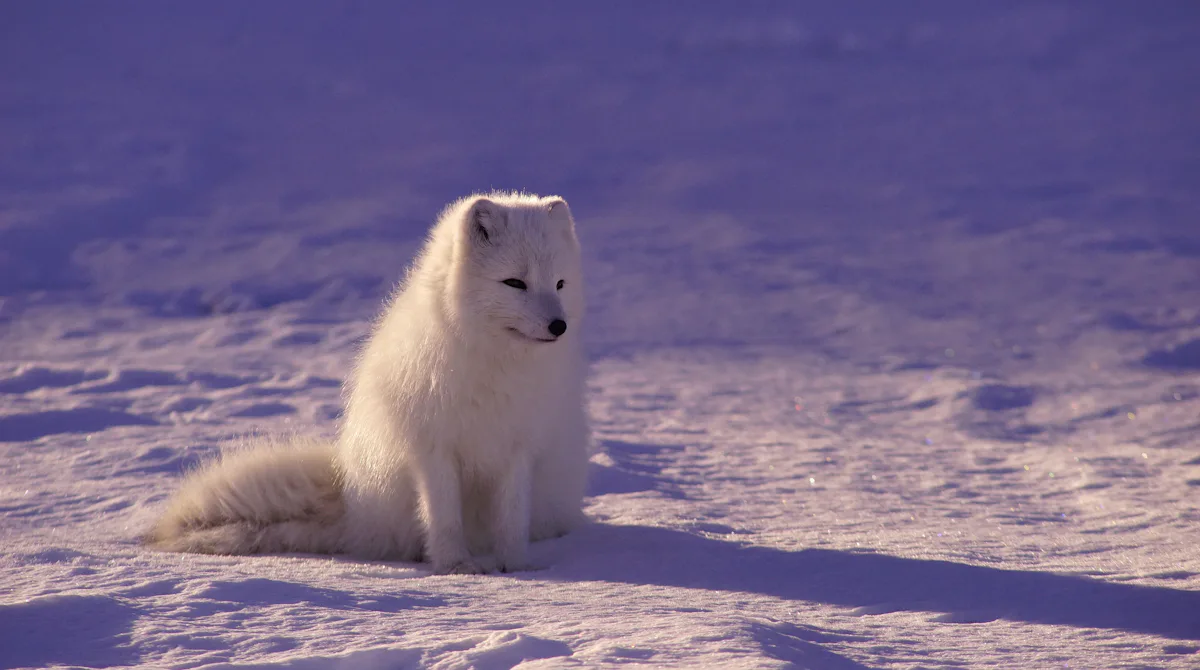
Dovrefjell-Sunndalsfjella is associated with wild reindeer, Arctic foxes, and musk oxen. The official national park website explains the area’s wildlife and visitor opportunities. These animals share a broad mountain setting but have different food needs and behaviours.
Seeing one species does not mean the others are nearby. Sensitive animals may stay out of sight, and wildlife sightings are never guaranteed. A guide can help visitors understand the landscape without turning the trip into a search for close contact.
Coasts and Islands: Where Land Meets the Sea
Coastal wildlife depends on both suitable land and productive waters. A seabird may nest on an island but travel out to sea to feed. Protecting its nest alone cannot address a shortage of food offshore.
The Institute of Marine Research’s Norwegian Sea assessment describes puffins, kittiwakes, and guillemots as important consumers of marine fish. Their place in the food web helps explain why changes at sea can affect breeding colonies on land.
For visitors, this connection changes how a coastline is viewed. A rocky ledge is not simply a photo location. It may be a working nursery linked to feeding areas far beyond the shore.
Rivers and Wetlands: Smaller Places with Large Value
Rivers, lakes, and wetlands add another layer to Norway’s wildlife. A stream may support aquatic insects and fish, while nearby vegetation provides cover for animals moving along the water.
NINA’s freshwater research includes river conditions, aquatic invertebrates, and the environmental effects of hydropower. This helps show why water habitats must be considered as connected systems.
A useful way to observe a river is to look at its banks as well as its channel. Is there shade? Does vegetation reach the water? Are there quiet edges and different water speeds? These observations cannot replace a scientific assessment, but they help a beginner notice habitat variety.
Svalbard: A Different Arctic Environment
Svalbard has its own reindeer, Arctic foxes, seabirds, and marine mammals. Polar bears belong in this Arctic context; they are not part of an ordinary mainland Norway wildlife itinerary.
The Norwegian Polar Institute’s Svalbard overview explains the close relationship between marine and land ecosystems. It also identifies declining sea ice as a major pressure on animals such as ringed seals and polar bears.
A visitor should therefore treat Svalbard as a separate planning exercise. Access, wildlife protection, and safety requirements need to be checked with local authorities before travel.
Norwegian Habitats at a Glance
| Habitat | Example wildlife | What deserves attention |
|---|---|---|
| Forest and woodland edges | Moose and other deer | Feeding plants, shelter, and road crossings |
| Open mountain areas | Wild reindeer and Arctic foxes | Seasonal space and connected habitat |
| Dovrefjell | Musk oxen | Safe observation and disturbance |
| Coastal breeding areas | Puffins and other seabirds | Nesting places and food at sea |
| Rivers and wetlands | Fish and aquatic insects | Water conditions and healthy banks |
| Svalbard and nearby waters | Polar bears, seals, and Svalbard reindeer | Sea ice, tundra, and local protection rules |
How to Learn More Without Disturbing Animals
Start with a habitat, then choose an accessible observation point. Bring binoculars and allow time to watch quietly. You can learn from feeding, movement, and the surrounding vegetation without moving closer.
For further reading on the human side of wildlife protection, Viltnemnda introduces the topic of local wildlife management. Use official park and municipal websites for current instructions and decisions.
Keep a simple notebook of what you actually observe. Record the date, general habitat, weather, and identification confidence. Writing “unidentified bird of prey” is more useful than confidently recording the wrong species. Avoid sharing precise nest or den locations publicly.
For the next step, learn how Norway protects its wildlife and follow our guide to responsible wildlife watching in Norway.
Frequently Asked Questions
What animals live in Norway’s forests?
Norway’s forests support animals including moose and other deer, although species and numbers differ between regions. The type of woodland and the surrounding landscape both matter.
Are all reindeer in Norway wild?
No. Norway has both wild and semi-domesticated reindeer. An animal moving freely across open land may still belong to a managed herd.
Can you see polar bears on mainland Norway?
Polar bears are associated with Svalbard and the surrounding Arctic region. They should not be expected on a mainland wildlife trip.
Why are animal movement routes important?
Animals may need different places for feeding, breeding, and seasonal shelter. A route between those places can be essential even when it looks unremarkable to people.
Does a national park guarantee wildlife sightings?
No. Animals move, hide, and respond to weather and disturbance. A worthwhile visit can include learning about habitat even when large animals remain out of sight.
Disclaimer
This disclaimer applies to the discussion of wildlife habitats in Norway. This article is for general educational purposes. Species identification, distribution, behaviour, and population information can vary by location and change as research develops. It is not a substitute for professional wildlife, veterinary, or field-safety advice. Verify current guidance with relevant conservation authorities and observe wildlife without disturbing or handling it.
2 thoughts on “Wildlife in Norway: Animals and Their Natural Habitats”