






Australian style has always carried a distinctive sense of ease. Whether it appears in Melbourne’s layered streetwear, Sydney’s polished minimalism, Brisbane’s relaxed resort influences or Perth’s understated sophistication, fashion in Australia often feels less about following every trend and more about expressing individuality. Yet personal style extends beyond clothing. The way someone smiles, speaks and carries themselves can become just as important as the clothes they choose.
This is where dental implants have an interesting place in modern appearance. They are primarily a restorative dental treatment designed to replace missing teeth, but their impact can reach into the way people experience their own appearance. A complete smile can contribute to a more natural-looking facial aesthetic, while the stability of implant-supported teeth can provide practical benefits for everyday life.
When Personal Style Starts With Confidence
Fashion is often discussed through colours, silhouettes, fabrics and accessories, but confidence is the invisible element that brings those choices together. A beautifully tailored jacket may look different when the wearer feels comfortable in their own skin. The same principle can apply to a smile.
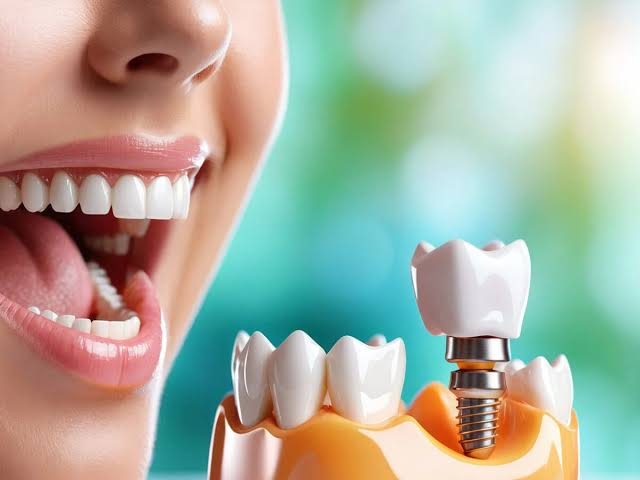
Missing teeth can affect more than appearance. Depending on their location and number, they may influence chewing, speech and the way a person feels about smiling in photographs or social situations. Dental implants offer one established option for replacing missing teeth by using an implant fixture placed into the jawbone to support a crown, bridge or denture.
Because the replacement is anchored rather than simply resting on the gums, implants can provide a stable foundation for tooth replacement. Suitability, however, depends on individual oral health, bone volume, medical considerations and the assessment of a qualified dental professional.
For someone rebuilding their smile, the objective is not necessarily to create an artificial-looking transformation. Modern restorative dentistry increasingly focuses on harmony: tooth shape, colour, proportion and the relationship between the smile and the rest of the face.
The Australian Approach to Looking Effortless
Australian fashion frequently embraces an aesthetic that appears effortless without being careless. Neutral tones, clean lines, practical fabrics and understated accessories are often combined in ways that feel personal rather than overly constructed.
A natural-looking smile can complement this philosophy.
The goal of implant dentistry is not simply to make a missing tooth disappear. Contemporary treatment planning can consider how replacement teeth interact with surrounding teeth, facial proportions and everyday function. Digital imaging and computer-assisted planning may help dental professionals assess anatomy and develop a more precise treatment approach.
This intersection between technology and aesthetics reflects a wider change in how Australians think about personal presentation. People increasingly have access to treatments that can address functional concerns while also considering appearance. The emphasis is shifting from dramatic alteration towards personalised restoration.
Why a Smile Matters in Modern Fashion
Fashion communicates identity, but facial expressions communicate emotion. A smile can influence first impressions, social interactions and photographs in ways that clothing alone cannot.
For professionals attending meetings in Sydney, creatives navigating Melbourne’s design culture, entrepreneurs building businesses or families enjoying weekends along the coast, a confident smile can become part of everyday self-expression.
That does not mean everyone needs an immaculate, perfectly symmetrical smile. Authenticity remains an important part of contemporary beauty. Rather, restorative dentistry can give people options when tooth loss has created a physical or emotional barrier to smiling naturally.
The appeal of dental implants therefore extends beyond aesthetics. They can help restore the function associated with missing teeth and, when appropriately planned and maintained, provide a long-term tooth-replacement solution.
Technology Is Changing the Smile Experience
Modern dentistry increasingly resembles other areas of contemporary design: information is gathered, possibilities are visualised and treatment can be planned with greater precision.
Three-dimensional imaging can provide detailed information about the jaw and surrounding structures. Digital scans can capture the shape of the mouth without relying exclusively on traditional impressions. These technologies can support clinicians when planning implant placement and designing restorations.
The result is a more integrated approach in which biology, function and appearance are considered together.
This does not make implant treatment automatic or suitable for everyone. Dental implants require surgery, healing and ongoing maintenance, and factors such as smoking, oral hygiene, gum health and bone condition can influence treatment outcomes. A thorough consultation remains essential before deciding whether dental implants are appropriate.
A Smile That Fits Your Own Style
Perhaps the most interesting relationship between dentistry and fashion is that both are becoming increasingly individualised.
There was once a tendency to associate cosmetic improvement with achieving a particular universal ideal. Today, personalisation has become far more influential. The best clothing choices depend on the individual; similarly, restorative dental treatment should reflect a person’s anatomy, oral health, needs and expectations.
For Australians considering tooth replacement, this can mean looking beyond the question of how a treatment will appear in a photograph. Function, durability, maintenance requirements, overall health and long-term suitability deserve equal attention.
A confident smile should feel like part of the person, not an accessory placed over them.
The Future of Personal Presentation
Modern Australian style is increasingly about authenticity, individuality and thoughtful choices. That philosophy can extend naturally into oral health. A healthy, functional smile does not compete with personal style; it can quietly support it.
As dental technology continues to evolve, treatments such as dental implants are helping reshape the conversation around missing teeth. The emphasis is increasingly on restoring function while creating results that work harmoniously with each person’s natural appearance.
Ultimately, fashion may change with the seasons, but confidence is less transient. When advanced dentistry combines clinical planning with an appreciation for individuality, it contributes to a broader movement towards raising the standard of oral care—not by chasing perfection, but by helping people achieve smiles that are functional, natural-looking and genuinely their own.
Australian style has always carried a distinctive sense of ease. Whether it appears in Melbourne’s layered streetwear, Sydney’s polished minimalism, Brisbane’s relaxed resort influences or Perth’s understated sophistication, fashion in Australia often feels less about following every trend and more about expressing individuality. Yet personal style extends beyond clothing. The way someone smiles, speaks and carries themselves can become just as important as the clothes they choose.
This is where dental implants have an interesting place in modern appearance. They are primarily a restorative dental treatment designed to replace missing teeth, but their impact can reach into the way people experience their own appearance. A complete smile can contribute to a more natural-looking facial aesthetic, while the stability of implant-supported teeth can provide practical benefits for everyday life.
When Personal Style Starts With Confidence
Fashion is often discussed through colours, silhouettes, fabrics and accessories, but confidence is the invisible element that brings those choices together. A beautifully tailored jacket may look different when the wearer feels comfortable in their own skin. The same principle can apply to a smile.
Missing teeth can affect more than appearance. Depending on their location and number, they may influence chewing, speech and the way a person feels about smiling in photographs or social situations. Dental implants offer one established option for replacing missing teeth by using an implant fixture placed into the jawbone to support a crown, bridge or denture.
Because the replacement is anchored rather than simply resting on the gums, implants can provide a stable foundation for tooth replacement. Suitability, however, depends on individual oral health, bone volume, medical considerations and the assessment of a qualified dental professional.
For someone rebuilding their smile, the objective is not necessarily to create an artificial-looking transformation. Modern restorative dentistry increasingly focuses on harmony: tooth shape, colour, proportion and the relationship between the smile and the rest of the face.
The Australian Approach to Looking Effortless
Australian fashion frequently embraces an aesthetic that appears effortless without being careless. Neutral tones, clean lines, practical fabrics and understated accessories are often combined in ways that feel personal rather than overly constructed.
A natural-looking smile can complement this philosophy.
The goal of implant dentistry is not simply to make a missing tooth disappear. Contemporary treatment planning can consider how replacement teeth interact with surrounding teeth, facial proportions and everyday function. Digital imaging and computer-assisted planning may help dental professionals assess anatomy and develop a more precise treatment approach.
This intersection between technology and aesthetics reflects a wider change in how Australians think about personal presentation. People increasingly have access to treatments that can address functional concerns while also considering appearance. The emphasis is shifting from dramatic alteration towards personalised restoration.
Why a Smile Matters in Modern Fashion
Fashion communicates identity, but facial expressions communicate emotion. A smile can influence first impressions, social interactions and photographs in ways that clothing alone cannot.
For professionals attending meetings in Sydney, creatives navigating Melbourne’s design culture, entrepreneurs building businesses or families enjoying weekends along the coast, a confident smile can become part of everyday self-expression.
That does not mean everyone needs an immaculate, perfectly symmetrical smile. Authenticity remains an important part of contemporary beauty. Rather, restorative dentistry can give people options when tooth loss has created a physical or emotional barrier to smiling naturally.
The appeal of dental implants therefore extends beyond aesthetics. They can help restore the function associated with missing teeth and, when appropriately planned and maintained, provide a long-term tooth-replacement solution.
Technology Is Changing the Smile Experience
Modern dentistry increasingly resembles other areas of contemporary design: information is gathered, possibilities are visualised and treatment can be planned with greater precision.
Three-dimensional imaging can provide detailed information about the jaw and surrounding structures. Digital scans can capture the shape of the mouth without relying exclusively on traditional impressions. These technologies can support clinicians when planning implant placement and designing restorations.
The result is a more integrated approach in which biology, function and appearance are considered together.
This does not make implant treatment automatic or suitable for everyone. Dental implants require surgery, healing and ongoing maintenance, and factors such as smoking, oral hygiene, gum health and bone condition can influence treatment outcomes. A thorough consultation remains essential before deciding whether dental implants are appropriate.
A Smile That Fits Your Own Style
Perhaps the most interesting relationship between dentistry and fashion is that both are becoming increasingly individualised.
There was once a tendency to associate cosmetic improvement with achieving a particular universal ideal. Today, personalisation has become far more influential. The best clothing choices depend on the individual; similarly, restorative dental treatment should reflect a person’s anatomy, oral health, needs and expectations.
For Australians considering tooth replacement, this can mean looking beyond the question of how a treatment will appear in a photograph. Function, durability, maintenance requirements, overall health and long-term suitability deserve equal attention.
A confident smile should feel like part of the person, not an accessory placed over them.
The Future of Personal Presentation
Modern Australian style is increasingly about authenticity, individuality and thoughtful choices. That philosophy can extend naturally into oral health. A healthy, functional smile does not compete with personal style; it can quietly support it.
As dental technology continues to evolve, treatments such as dental implants are helping reshape the conversation around missing teeth. The emphasis is increasingly on restoring function while creating results that work harmoniously with each person’s natural appearance.
Ultimately, fashion may change with the seasons, but confidence is less transient. When advanced dentistry combines clinical planning with an appreciation for individuality, it contributes to a broader movement towards raising the standard of oral care—not by chasing perfection, but by helping people achieve smiles that are functional, natural-looking and genuinely their own.