




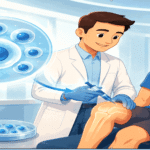



My neighbor brought it up first, actually. She’d been dealing with a stiff shoulder for about a year, tried the usual round of physical therapy, and mentioned almost in passing that she was looking into stem cell therapy. I didn’t think much of it at the time. Then a coworker mentioned something similar about his knee a few weeks later. That’s usually how these things go—you hear about it once, shrug, and then suddenly it’s everywhere.
That seems to be where a lot of Cape Coral residents are right now. Not sold on anything, not against it either. Just curious about what sits between “push through it” and “schedule surgery.”
Why More People in Cape Coral Are Looking Into Regenerative Options
Southwest Florida has a certain kind of population, and it shapes this conversation more than people realize. Plenty of retirees who spent thirty-plus years on their feet. Boaters and golfers who aren’t ready to sit out a season because of a cranky joint. And a fair number of younger folks nursing old sports injuries that never fully healed—the kind you just learn to work around.
For a long time the options were pretty limited. Rest, physical therapy, maybe medication, and eventually surgery if nothing else worked. Regenerative wellness has entered that conversation as something else to look into, not a replacement for those options necessarily, just another thing worth understanding.
There’s a logistics piece too, and it’s easy to overlook. Nobody wants to drive two hours each way for a first conversation about something they’re not even sure they want to do yet. Having a wellness clinic nearby that can actually sit down and talk it through matters more than it sounds like it should.
What People Should Understand Before Exploring Stem Cell Therapy
I’ll keep this part short because most explanations online make it more complicated than it needs to be.
The general idea behind regenerative approaches is supporting what the body already does on its own, rather than replacing a joint outright or forcing things through surgery. That’s it. Not a cure, not a guarantee—just a different angle that some people want to bring up with a provider.
It’s also not really a one-size-fits-all thing, even though it sometimes gets marketed that way. What gets discussed for someone’s shoulder isn’t necessarily what gets discussed for someone else’s knee. Honestly, that single point—suitability depends entirely on the person—is probably the most important thing in this whole article.
A lot of people assume there’s some standard package everyone receives. There isn’t, or at least there shouldn’t be. If a provider is doing this right, they’re evaluating the individual in front of them, not running through a script.
What the Process May Look Like
An Initial Consultation
First, a real consultation. This is usually step one—going over history, current symptoms, what someone’s actually hoping to get out of exploring this, and whether it even makes sense to keep talking. If this part feels rushed, that’s worth noticing.
An Individual Evaluation
Then an actual evaluation. A provider typically wants the full picture here, not just the sore knee or shoulder in isolation. Overall health, what’s already been tried, what hasn’t worked.
Deciding Whether to Move Forward
And eventually, a decision—or not. This is the step people mentally skip past, but it’s the one that actually matters. Sometimes the honest answer is that it’s not a good fit right now, and a provider who’s willing to say that is doing their job.
None of this happens in one dramatic visit. It’s more of a back-and-forth.
Why Personalized Care Matters
This is probably the least flashy section of the whole article, but I’d argue it’s the most important one.
Age, activity level, medical history, specific goals—all of that changes what’s reasonable to even discuss. A 70-something dealing with joint discomfort is having a fundamentally different conversation than a 40-year-old former athlete with an old injury acting up again.
It’s also where going local actually pays off, more than people expect going in. Follow-up visits. In-person evaluations. Being able to sit across from someone instead of doing the whole thing over the phone or through a portal. A wellness clinic that’s part of the community—one you can actually walk back into if you have questions later—tends to feel less transactional than something you found through a random ad.
What to Consider When Looking at Stem Cell Therapy in Cape Coral
A handful of things worth thinking through before booking anything:
- How experienced is the provider, really? Ask directly. A vague answer is itself an answer.
- What does the consultation actually involve? Five rushed minutes isn’t an evaluation.
- Is the plan individualized, or does it sound copy-pasted? If every answer feels generic regardless of your situation, pay attention to that.
- Are they upfront about what’s actually being offered? Plain language, no oversell.
- Do they welcome questions? Bring a list if you need to. Good sign if they don’t rush you through it.
- Are expectations realistic? Anyone guaranteeing results before they’ve even met you isn’t being straight with you.
Simple stuff, honestly. Easy to forget when you just want to feel better faster.
Frequently Asked Questions
Is Stem Cell Therapy Basically a Substitute for Surgery?
Not exactly—it’s a different category altogether, and whether it’s even worth discussing depends a lot on the individual situation.
How Would I Know if This Is Even Worth Looking Into for Me?
That’s a conversation for a provider, honestly. Health history, goals, the specific issue at hand—it all factors in.
Does Insurance Usually Help Cover This?
It varies a good bit by provider and circumstance, so it’s one of the first things worth asking about directly.
How Soon Would Someone Notice Anything?
There’s no universal timeline, and any provider promising a specific one upfront should probably raise an eyebrow.
Why Bother With a Local Clinic Instead of Somewhere Farther Away?
Mostly the follow-up piece—being able to actually show up in person rather than managing everything remotely.
Conclusion
If you’re in Cape Coral and you’ve had a few late-night tabs open researching this, you’re far from the only one—people in Fort Myers, Bonita Springs, and the rest of Southwest Florida are asking the same questions right now. There’s no deadline on figuring this out. Usually the most useful next step is just a conversation, not a decision.
That’s really what a consultation is for—not a pitch, just an honest look at whether a personalized wellness approach fits your situation. Places offering stem cell therapy Cape Coral residents can actually drive to exist partly because people got tired of traveling hours just to have a first conversation. Premier Wellness Florida is one of the local options people have looked into for that reason—though again, whether it’s the right fit is really something to work out one-on-one with a qualified provider.
For more information, contact: Premier Wellness Florida.
Disclaimer
This article provides general information and is not medical advice, a diagnosis, or a treatment recommendation. It does not establish that any stem cell treatment is safe, effective, or approved for a particular condition. Consult a licensed medical professional about the evidence, risks, alternatives, and regulatory status of any proposed treatment. Mentioning Premier Wellness Florida does not constitute an endorsement or guarantee of results.
Looking for actionable advice you can trust? Turn to our high-quality articles—written by experts who know their craft.