How can a plastic injection machine reduce scrap with process control?
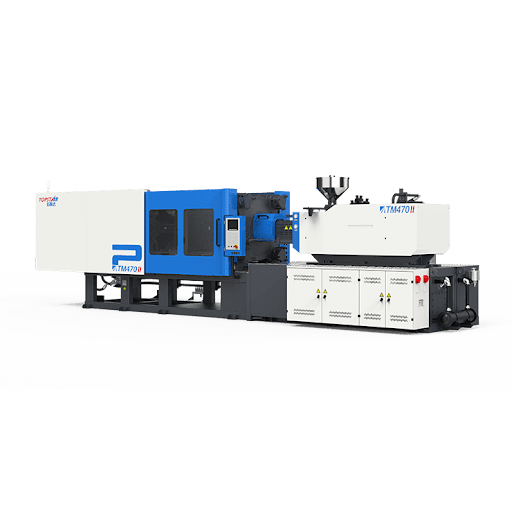
In modern manufacturing, reducing scrap is no longer just a quality objective but a strategic necessity. With rising material costs and increasingly stringent customer tolerance requirements, manufacturers are increasingly relying on process-controlled plastic injection machines to improve consistency and minimize waste. At Topstar, we have dedicated decades to perfecting injection molding technology, always guided by one unwavering principle: reducing scrap begins with process control.
Process Control in Plastic Injection Machine: Why Reducing Scrap Starts with the Machine
The plastic injection machine is at the heart of the molding process, and its ability to control variables directly determines product quality. Scrap is often caused by fluctuations in factors such as temperature, pressure, speed, or time—factors that are difficult to manage without precise machine control. Process-controlled machines replace manual adjustments with digital precision, ensuring that each cycle follows the same optimized parameters.
Topstar plastic injection machines utilize closed-loop control systems to monitor real-time process data. Instead of reacting to defects after they occur, the machine actively corrects deviations in real time during production. As a result, defects such as short shots, flash, sink marks, and warpage are significantly reduced. By stabilizing the molding window, manufacturers can maintain consistent part quality over long production runs, even with challenging materials or complex molds.
Eliminating Heat-Related Scrap
Temperature inconsistency is one of the most common causes of scrap in injection molding. A well-designed plastic injection machine provides precise control over barrel zones, nozzle temperature, and mold interface. When the melt temperature varies, the material’s viscosity changes, leading to flow imbalances and incomplete filling.
Advanced temperature control systems continuously measure and adjust heating elements, keeping the melt temperature within tight tolerances. This consistency improves material flow, enhances surface finish, and prevents material degradation or burning. In practice, stable temperature control results in lower scrap rates during start-up and less fluctuation during continuous operation. For processors using engineering plastics, this level of control is crucial for reducing scrap and protecting material properties.
Pressure and Speed Control in plastic injection machines
Injection pressure and speed directly influence how the molten plastic fills the mold cavity. In traditional setups, fluctuations in these parameters often lead to overfilling, flash, or short shots. Process-controlled plastic injection machines address this problem through servo-driven systems and real-time feedback to regulate pressure and speed. By precisely controlling the injection profile, the equipment ensures uniform mold cavity filling regardless of subtle variations in material batches or environmental conditions. Multi-stage injection control allows the machine to adjust pressure and speed at different filling stages, preventing defects before they occur. This approach significantly reduces trial-and-error adjustments, lowers scrap rates, and shortens setup times for new molds.
Preventing Flash and Mold Damage
Scrap generation doesn’t only stem from filling issues; improper clamping force can also lead to defects. An optimized injection molding machine applies just the right amount of clamping force—enough to prevent flash without subjecting the mold to excessive stress. Too much clamping force can damage the mold, while insufficient force leads to part defects and material waste.
Modern plastic injection machines utilize intelligent clamping control that automatically adjusts clamping force based on cavity pressure. This adaptive approach improves part consistency and extends mold life. In the long run, precise clamping control reduces visible scrap and the hidden costs associated with mold maintenance and downtime.
Automation and Sensors: Early Defect Detection
Automation plays a crucial role in reducing scrap. Process-controlled injection molding machines integrate multiple sensors that continuously monitor pressure profiles, cycle times, screw position, and energy consumption. Any abnormal deviations trigger alarms or automatic adjustments, preventing the accumulation of defective parts.
In many cases, the machine can stop production immediately upon detecting an upward trend in scrap rates, preventing the production of large quantities of substandard parts. Combined with robotic part removal and inspection systems, automation ensures that defective parts are isolated immediately. This proactive approach transforms quality control from a reactive response to a proactive prediction.
Turning Process Data into Scrap Reduction
Data-driven manufacturing is redefining how scrap is controlled. Injection molding machines record detailed process data for each cycle, providing a valuable foundation for continuous improvement. Engineers can analyze trends, identify root causes of defects, and optimize parameters with greater confidence.By leveraging historical data, manufacturers can standardize optimal performance settings and replicate them across multiple machines. Over time, this consistency can reduce scrap rates and improve overall equipment efficiency. At Topstar, we emphasize that injection molding machines are no longer just production equipment; they are also data platforms that can help manufacturers make smarter manufacturing decisions.