







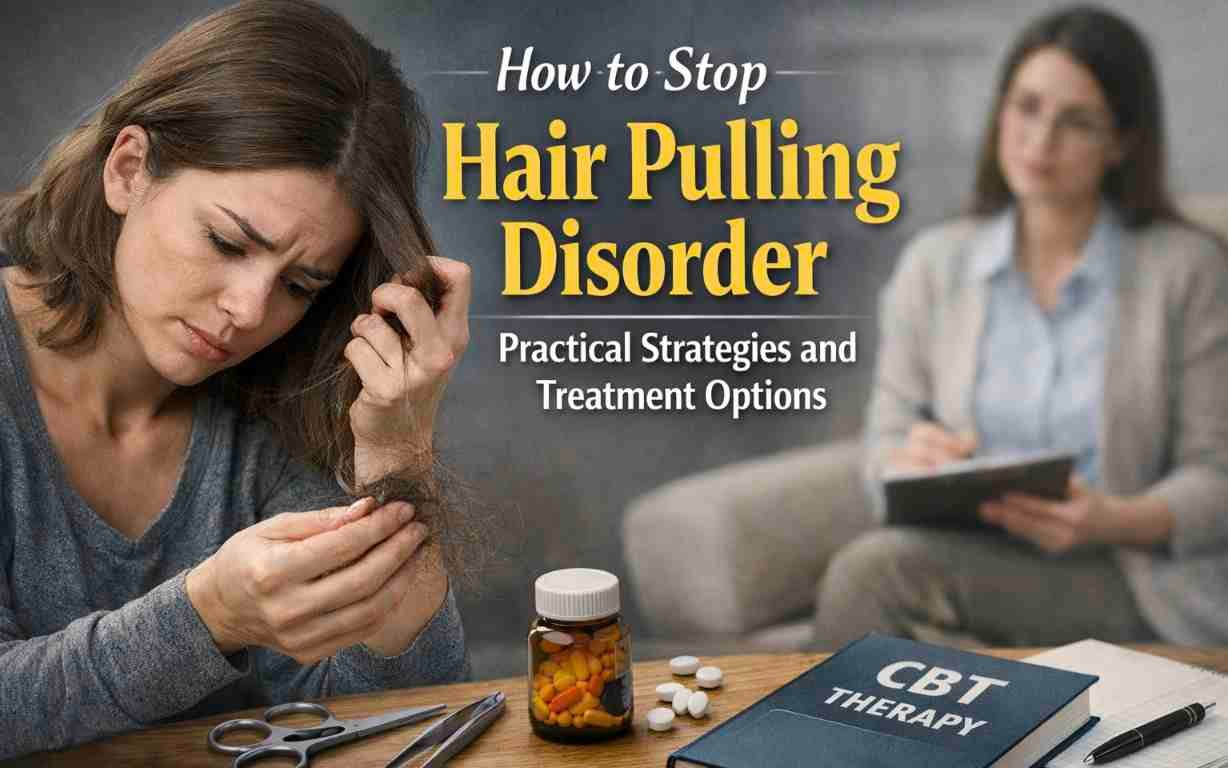
You can stop hair pulling disorder by using proven strategies that help you recognize triggers, replace pulling with alternative actions, and build lasting habits with professional support when needed. Start by learning the specific situations and feelings that lead you to pull, then use targeted techniques — such as habit reversal training, stimulus control, and brief coping tactics — to interrupt the urge and reduce pulling over time.
This article How to Stop Hair Pulling Disorder will explain how the disorder works, help you spot your personal patterns, and give practical, evidence-based steps to reduce urges and protect hair while you practice new skills. You’ll find clear tactics you can use right away and guidance on when to seek therapy or medication for stronger support.
Understanding Hair Pulling Disorder
Trichotillomania involves repeated hair pulling that causes noticeable hair loss, distress, or impairment. You’ll learn what the condition is, how it commonly shows up, and which factors increase your risk.
What Is Trichotillomania
Trichotillomania is a psychiatric condition characterized by recurrent, compulsive hair pulling that you feel unable to control. Pulling may target scalp hair, eyebrows, eyelashes, or body hair and often leads to visible thinning or bald patches.
Episodes can be automatic (you pull without full awareness) or focused (you pull to relieve tension or achieve a sensory feeling). The behavior typically occurs repeatedly over months or years and causes significant distress, embarrassment, or interference with daily life.
Diagnosis depends on clinical criteria: repeated attempts to stop, hair loss from pulling, and impairment in functioning. You do not need to meet a single cause-based explanation to receive care.
Common Signs and Symptoms
You may notice uneven hair loss, short broken hairs, or bald patches in specific areas like the crown, temples, or brows. Other signs include frequent touching or examining of hair, using tweezers or fingers, and rituals before or after pulling.
Emotional symptoms often accompany pulling: shame, guilt, anxiety, or avoidance of social activities where hair loss might show. Physical effects can include scalp irritation, infections, or scabbing from repeated trauma.
Patterns vary: some people pull only during stress, others daily; episodes can last minutes to hours. Tracking triggers, location, and frequency helps you and clinicians design targeted treatments.
Causes and Risk Factors
No single cause explains trichotillomania. A combination of genetic, neurological, and environmental factors increases likelihood.
Genetic studies and family histories suggest heritability; differences in brain circuits that regulate habit formation and impulse control have been observed. Stressful life events, boredom, and sensory sensitivities often act as triggers that initiate or worsen pulling.
Risk increases if you have related conditions such as anxiety disorders, obsessive-compulsive disorder, or body-focused repetitive behaviors. Age of onset is commonly in childhood or adolescence, and symptoms can persist without treatment. Identifying your personal triggers and co-occurring conditions informs practical treatment choices.
Effective Strategies to Stop Hair Pulling Disorder
You can reduce urges and regain control by combining proven therapies, practical behavioral techniques, and lifestyle adjustments. Know when to get professional support so you can access targeted treatment and medication if needed.
Evidence-Based Treatment Approaches
Habit Reversal Training (HRT) is the most consistently supported therapy for trichotillomania. You learn to recognize the urge, use a competing response (an alternative movement you can do for one minute), and practice awareness training so you spot high-risk situations before pulling starts. Work with a therapist to tailor competing responses to your typical pulling contexts.
Cognitive Behavioral Therapy (CBT) elements address thoughts and feelings that maintain pulling. Acceptance and Commitment Therapy (ACT) can help you notice urges without acting on them. In some cases, a psychiatrist may prescribe medication—selective serotonin reuptake inhibitors (SSRIs) or, less commonly, N-acetylcysteine—when symptoms are severe or co-occurring disorders exist. Always review medication options with a clinician.
Behavioral Techniques and Coping Skills
Use stimulus control to change your environment: wear gloves, keep fidget tools within reach, or block access to mirrors at triggering times. Keep a simple tracking log—note time, place, mood, and activity each time you pull—to identify patterns and high-risk triggers within a week or two.
Practice competing responses consistently. Examples: clench your fists, squeeze a stress ball, or thread beads for one minute when you feel the urge. Add short mindfulness exercises—three deep breaths or a 60-second body scan—before you act on an urge. Reward short pull-free intervals with small, meaningful incentives to reinforce progress.
Lifestyle Changes for Recovery
Prioritize sleep and regular meals; fatigue and low blood sugar often increase urges. Schedule brief, structured activities during your most vulnerable times—walking, stretching, or a hobby that occupies your hands for 10–20 minutes. Limit caffeine and alcohol if they intensify anxiety or impulsivity.
Build a support system. Tell one trusted person what helps you and ask them to check in or help remove triggers. Join a peer support group or an online community focused on body-focused repetitive behaviors to share strategies and accountability. Small, consistent changes yield measurable improvements over weeks.
When to Seek Professional Help
Seek a clinician if pulling causes significant hair loss, distress, or interferes with work, school, or relationships. If self-help techniques and brief therapy don’t reduce pulling over 8–12 weeks, pursue specialized care with a psychologist experienced in HRT or CBT for BFRBs.
Contact a psychiatrist if you have major depression, severe anxiety, suicidal thoughts, or consider medication for persistent symptoms. If you notice physical complications—skin infections, scarring, or severe bald patches—get prompt medical evaluation to prevent long-term damage.
Disclaimer
This disclaimer applies to the discussion of hair pulling disorder. This article is for general information only and is not a substitute for medical advice, diagnosis, or treatment. Claims about benefits, safety, and results may not apply to everyone. Consult a qualified healthcare professional about personal suitability, and check current product instructions before use. No specific health outcome is guaranteed.