Online Image Editor and Video Editing: The Smart Workflow for Modern Visual Content Creation
Digital content today depends heavily on strong visuals. Whether you are building marketing campaigns, social media posts, tutorials, or brand assets, both images and videos play a central role. To keep production fast and flexible, creators increasingly rely on an online image editor together with efficient video editing tools. This combination supports a smooth and modern creative workflow.
An online image editor allows quick graphic adjustments without installing heavy software, while video editing software shapes motion content into clear stories. When used together, they help creators maintain visual consistency across formats. This article explains how these tools complement each other and how to use them effectively for professional results.
Why Visual Workflows Are Converging
In the past, image design and video editing were treated as separate processes handled by different specialists. Today, content moves faster and platforms demand mixed formats. A single campaign may need thumbnails, banners, short videos, and explainers at once.
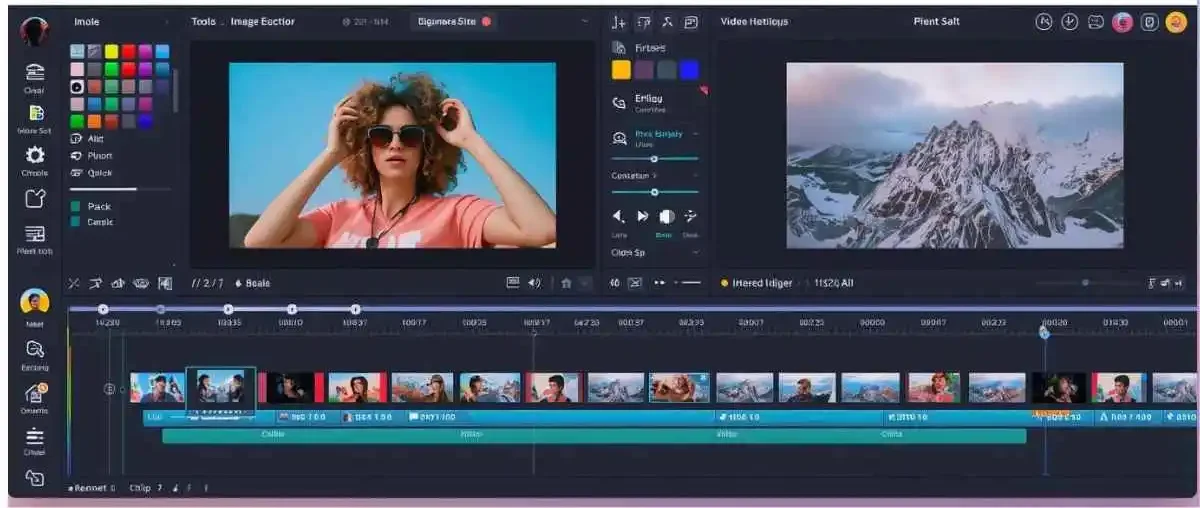
An online image editor helps teams quickly prepare graphics that feed directly into video editing timelines. Thumbnails, overlays, and title cards can be created and updated instantly. This reduces delays and keeps branding consistent across assets. Converged workflows are now standard for efficient production environments.
What Is an Online Image Editor
An online image editor is a browser-based tool for modifying images without local installation. Users can crop, resize, adjust colors, remove backgrounds, and add text directly online. These tools are built for speed and accessibility.
Most creators use an online image editor to prepare assets before importing them into video editing projects. Clean graphics improve visual clarity and reduce post-production fixes. Because the tools are web-based, teams can collaborate easily and access files from multiple devices. This flexibility supports faster turnaround times.
The Role of Video Editing in Content Quality
Strong video editing transforms raw footage into structured, engaging content. It controls pacing, clarity, and viewer attention. Even simple cuts and captions significantly improve communication.
Graphics created in an online image editor often enhance video editing results. Lower thirds, intro cards, and callout images make videos easier to follow. Instead of relying only on built-in templates, custom visuals give projects a more distinctive and professional look. Editing becomes both technical and visual storytelling.
Benefits of Using Both Tools Together
Using an online image editor alongside video editing software creates practical advantages. First is speed. Image fixes and graphic creation happen instantly without interrupting the editing session. This keeps production momentum strong.
Second is consistency. Visual elements made in an online image editor can match brand colors and typography, then be reused across video editing projects. Third is accessibility. Team members without advanced design skills can still produce usable graphics. The combined workflow lowers skill barriers while maintaining output quality.
A Practical Step-by-Step Workflow
Next, begin your video editing process with footage and audio. Insert the prepared graphics at key points in the timeline. Adjust placement and timing carefully. If a change is needed, reopen the online image editor, update the asset, and replace it in the video editing project. This loop keeps revisions fast and controlled.
Finally, preview the full video and confirm visual alignment. This structured method prevents last-minute design problems.
Features That Matter Most
A good online image editor should include resizing, background cleanup, text tools, and format export options. Layer support is helpful for more complex graphics. Fast performance is essential for workflow continuity.
Effective video editing tools should provide timeline control, caption support, audio adjustment, and multiple export settings. Smooth preview playback helps decision-making. When both an online image editor and video editing system are easy to use, creators can focus on message quality instead of technical friction.
Common Mistakes to Avoid
One mistake is creating graphics that are too detailed for video display. Elements designed in an online image editor must remain readable when scaled inside video editing frames. Use larger fonts and simpler layouts.
Another mistake is inconsistency. Switching styles frequently weakens brand identity. Keep colors and typography aligned between the online image editor outputs and video editing overlays. Also avoid overcrowding the screen with too many visual elements. Clean design improves viewer focus and retention.
Tips for Professional Results
Use templates in your online image editor to maintain consistent layout structures. Save reusable graphic sets for repeated video editing projects. This reduces setup time and increases brand recognition.
During video editing, place graphics only where they support understanding. Time captions and overlays carefully. Test readability on both desktop and mobile screens. Export visuals at high resolution from your online image editor to avoid blur in video editing output. Small quality checks create noticeably better results.
Conclusion
Modern creators benefit from combining an online image editor with strong video editing practices. Together, these tools support faster production, better visual consistency, and more professional storytelling. Web-based image tools handle rapid graphic creation, while editing software shapes the final narrative.
By building a connected workflow between an online image editor and video editing processes, individuals and teams can produce high-quality visual content efficiently. With planning, consistency, and careful review, this approach delivers reliable results across today’s fast-moving digital platforms.
Disclaimer
The information provided in this article is for general informational purposes only. While every effort has been made to ensure the accuracy and relevance of the content, the tools and techniques discussed may evolve over time.
Readers should verify any specific information and assess their needs before applying any advice or workflows mentioned. This content is not intended to serve as professional design or video editing advice. Always seek expert guidance for complex design or video production projects.